


Sacramento, CA…Five years ago, in partnership with the Legislature, Governor Newsom signed a landmark piece of legislation into law, making California the first state in the nation to implement a universal free school meal program for all public school students. Fast-forward to 2026, the state is expected to serve nearly 1 billion meals during this school year — improving meal quality and access while reducing hunger for millions of families.
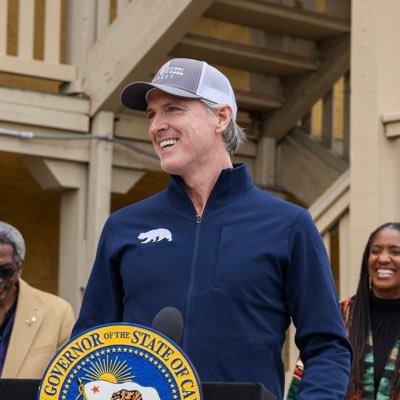
Since the implementation of the universal school meal program in the Golden State, nearly 3.5 billion meals have been served to children — saving families time and money, supporting children’s health and learning, and reducing stigma around free school meals.
Five years ago, I was proud to sign universal school meals into law and make California the first state in the nation to guarantee every public school student a free breakfast and lunch. Today, with nearly one billion meals served each year, we’re seeing exactly what we hoped for: healthier kids, more resilient families, and expanded opportunities for every child across the state.
Governor Gavin Newsom
California’s School Meals for All program continues to be a vital investment in our children and their future. When every child starts the school day nourished and ready to learn, we are investing in their health, their academic success, and their ability to thrive. This critical program has expanded access to basic needs and demonstrated that universal school meal programs can create real, lasting change for students and their families in the classroom and beyond.
First Partner Jennifer Siebel Newsom
California leads the nation in protecting student health, ensuring access to food
In 2021, Governor Newsom signed a landmark budget agreement with the Legislature to launch a universal school meals program for the 2022-2023 school year. This law required local education agencies — school districts, charter schools, and county offices of education — to provide one free breakfast and one free lunch per school day to any student requesting a meal. Over the course of the past four years, there have been approximately 3.5 billion breakfasts and lunches served under the School Nutrition Program since the Universal Meals Program implementation — of which nearly 3.45 billion have been eligible for universal meals reimbursement.
Since taking office, Governor Newsom and First Partner Jennifer Siebel Newsom working with legislative champions have advanced a series of first-in-the-nation reforms to eliminate toxic additives, strengthen nutrition standards, and expand healthy food access in schools statewide. Here are key investments the Newsom administration has made to support the well-being and nourishment of students:
- Last summer, more than 4 million California children received SUN Bucks food benefits via EBT cards, with each eligible child receiving $120 in food benefits.
- In October 2025, Governor Newsom signed AB 1264 (Gabriel, 2025), the first-in-the-nation law to ban ultra-processed foods from school meals — banning dangerous food dyes and chemicals that harm and interfere with children’s ability to learn.
- Governor Newsom previously signed AB 418 (Gabriel, 2023) and AB 2316 (Gabriel, 2024), banning four potentially harmful chemical food additives from products sold statewide, including red dye 3 and brominated vegetable oil, which is often used as a stabilizer in citrus-flavored beverages, and prohibiting schools from serving and selling foods containing synthetic food dye additives associated with risks to health harms in children, including cancer, damage to the immune system, and neurobehavioral issues. The federal government and numerous states have taken similar actions following CA’s lead.
- In 2024, Governor Newsom signed a legislative package to increase enrollment in state food assistance programs, reduce youth consumption of processed foods, and increase access to healthy, locally grown food in all California communities.
- California’s Farm to School program, championed by First Partner Jennifer Siebel Newsom, works in tandem with universal school meals to ensure more California students have access to two free school meals that are locally-sourced, delicious, and nutritious.
- In 2023, California became the first state to codify President Biden’s updated federal guidelines on school nutrition standards to reduce sugar and salt in school meals, and established a process for California to maintain those standards should a different federal Administration lower the standards via SB 348 (Skinner, 2023)
Together, these investments embody a bold vision for school nutrition — one that supports student learning and health, strengthens local economies, and lightens the burden on families’ grocery budgets. Five years in, California’s transformational approach to school meals is delivering results, inside and beyond the classroom.
Nutritious meals for all students
With 1-in-6 children facing hunger in the U.S., California became the first state to guarantee every public school student — nearly 6 million of them – free school meals regardless of income. California is paving the way for the country to make healthy school meals a part of every child’s educational day. The benefits of the program have extended far beyond the cafeteria. Research has shown that students who participate in school meal programs are more likely to consume nutritious foods, less likely to experience nutrient deficiencies, and show improved attendance, better academic performance, fewer visits to the nurse’s office, and reductions in behavioral issues, anxiety, and depression.
Over 2 million children in California do not have access to healthy whole foods, with Black and Latinx children reporting food insecurity twice that of children in white households. Schools are a key source of food for children and access to nutritious foods are essential to children’s health and preventing diet-related chronic diseases such as type 2 diabetes and cardiovascular disease. Approximately 3.9 million California students were eligible for free or reduced lunch during the 2019-2020 school year —- since the state’s creation of the universal school meals program nearly 3.5 billion meals have been served.
First Partner’s farm to school initiative
The First Partner spearheaded California’s Farm to School Program to expand access to healthy, locally grown food for students. The initiative works alongside California’s universal school meals program to bolster childhood nutrition while promoting economic growth in local communities and incentivizing climate-smart agriculture practices.
Under the leadership of the Governor, the First Partner, and the Legislature, allocated $60 million over two years in the 2021-2022 state budget to sustain and expand the California Farm to School Incubator Grant Program, which connects local producers and school food buyers; increases food education in classrooms, gardens, and on farms; and engages schools and students with the agricultural community.
The 2022-2023 state budget strengthened this investment with an additional $30 million in funding for farm to school demonstration projects at priority, high-need schools, and includes $600 million in funding available over three years for school kitchen infrastructure upgrades and equipment, food service employee training, and compensation for work related to serving universal meals using more fresh, minimally processed California-grown foods.

California Celebrates Nearly 3.5 billion Universal School Meals Served added by admin on
View all posts by admin →
If you can’t feed them, don’t breed them!!!!!!!!!!!!!!!!
Gavvy is one hunk of exquisite man.
He makes me warm.