


San Andreas, CA…Two Sentinel chickens in the Copperopolis area have tested positive for West Nile Virus. This is the first sign of the virus in Calaveras County this year and no human cases have been reported in the county.
Sentinel chickens are kept outdoors and tested on a regular schedule to watch for viruses spread by mosquitoes. Blood samples were taken from ten chickens in the Copperopolis flock on September 17. The samples were received and tested through VectorSurv, California’s statewide mosquito-borne virus surveillance system, on September 25. Two of the ten samples tested positive. The County was notified of the results on September 29.
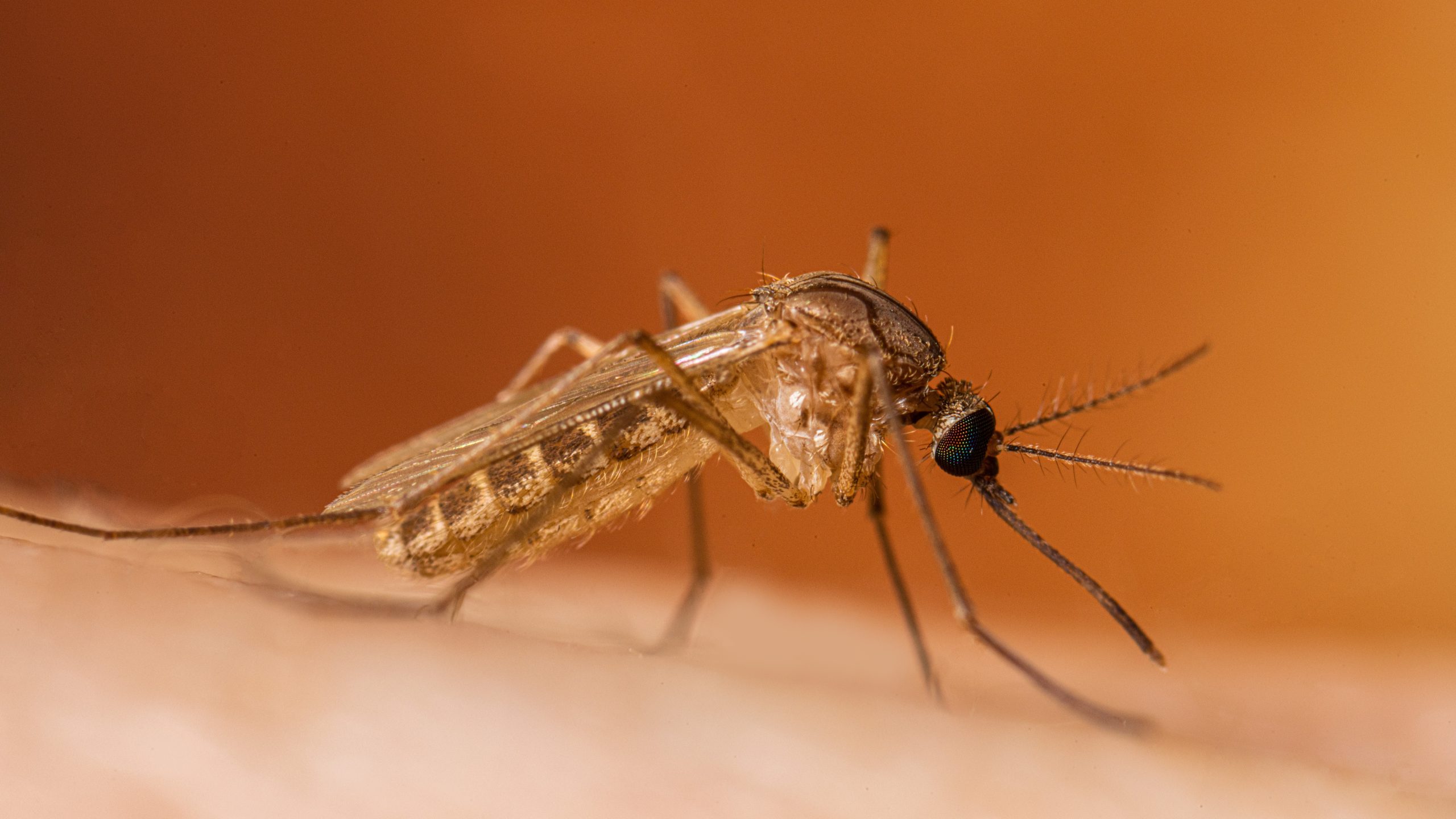
Mosquitoes carry the virus and spread it when they bite. Chickens cannot spread the virus to people, but a positive result means mosquitoes carrying West Nile virus are active in the area. Calaveras County Public Health and Environmental Health ask everyone who lives, works, or spends time outdoors in and around Copperopolis to take steps now to avoid mosquito bites. Mosquitoes stay active until the weather turns cold.
“We care deeply about the health and wellbeing of our community, which is why we monitor local mosquito activity so closely,” said Dr. René Ramirez, County Health Officer. “While there are no human cases in our county, the virus is present in local mosquitoes. We encourage everyone to take simple, everyday precautions—like using EPA-registered insect repellent and clearing standing water around the home—so we can all stay safe and healthy this season.”
West Nile virus across California
This has been an active West Nile virus season. As of September 29, the California Department of Public Health (CDPH) has reported 210 human cases this year across 23 counties, and the virus has been found in 37 counties. Nearby, Tuolumne County has reported one human case, San Joaquin County has reported five, and Stanislaus County has reported six. Two horses in Amador County have also tested positive. The Copperopolis results may not show up on the state’s West Nile virus website right away.
Three easy ways to protect yourself
•
Use bug spray. Pick one with DEET, picaridin, oil of lemon eucalyptus (do not use on children under 3 years old), or IR3535, and follow the directions on the label. Used this way, DEET is safe on children 2 months and older and for women who are pregnant or breastfeeding. Stronger sprays last longer: 10% DEET protects for about 2 hours, and about 25% DEET protects for about 5 hours. Sprays with more than 50% DEET do not work any better. Put more on if you stay outside longer than your spray lasts.
•
Cover up at dawn and dusk. Mosquitoes bite most in the early morning and the evening. Wear loose, long-sleeved shirts and long pants. Keep screens on your doors and windows and fix any rips or holes.
•
Dump standing water. Mosquitoes lay their eggs in water that sits still. Empty flowerpots, buckets, old tires, pool covers, pet bowls, and toys. Change your pet’s water every day and bird bath water every week. A young mosquito can grow into an adult in only seven days.
Who is most at risk
Most people who catch West Nile virus never feel sick. Symptoms can include fever, headache, body aches, or a rash. A few people get very sick when the virus affects the brain or spinal cord, which can lead to death.
You are at higher risk if you are 60 or older, have diabetes, high blood pressure, or kidney disease, or take medicine that weakens your immune system. If you take that kind of medicine, ask your doctor about your risk. There is no shot or medicine for West Nile virus. Call your doctor if you feel sick. Call 9-1-1 in an emergency.
Report dead birds
Dead birds and tree squirrels can be a sign that West Nile virus is in your area. You cannot catch the virus by touching one. A dead bird report is often the first warning that the virus has reached a new place, so your report helps the county track where it is spreading.
Report dead birds at westnile.ca.gov or call 1-877-WNV-BIRD (1-877-968-2473). Crows, jays, magpies, ravens, sparrows, finches, and hawks are the most helpful to report.
Environmental Management Agency Administrator Lisa Medina adds, “Don’t forget about our pets! Pet bug spray formulated just for animals is available at pet stores or check with your veterinarian for other options.”
Horses can also get very sick from West Nile virus. Horse owners should talk with their veterinarian about vaccinating their horses.
Learn more
For more information regarding mosquito prevention, control, and West Nile Virus please visit CDC or the California Department of Public Health:
•
California West Nile Virus Website – county maps, dead bird reporting, and local mosquito and vector control districts
•
CDC: Preventing West Nile – how to protect yourself and control mosquitoes at home
Page 3 of 3
•
CDC: Preventing Mosquito Bites – repellent, clothing, and screening tips
•
EPA: Find the Right Insect Repellent – search tool for EPA-registered products
For questions and concerns regarding environmental issues, please contact Calaveras County Environmental Health at 209-754-6399.

West Nile Virus Found in Sentinel Chickens in Copperopolis added by admin on
View all posts by admin →